Sterile Processing Technician Career Roadmap: How to Go from Zero to Certified
NHNathan Hostetter · November 3, 2026 · 4 min read
Why Sterile Processing Is Worth Your Attention
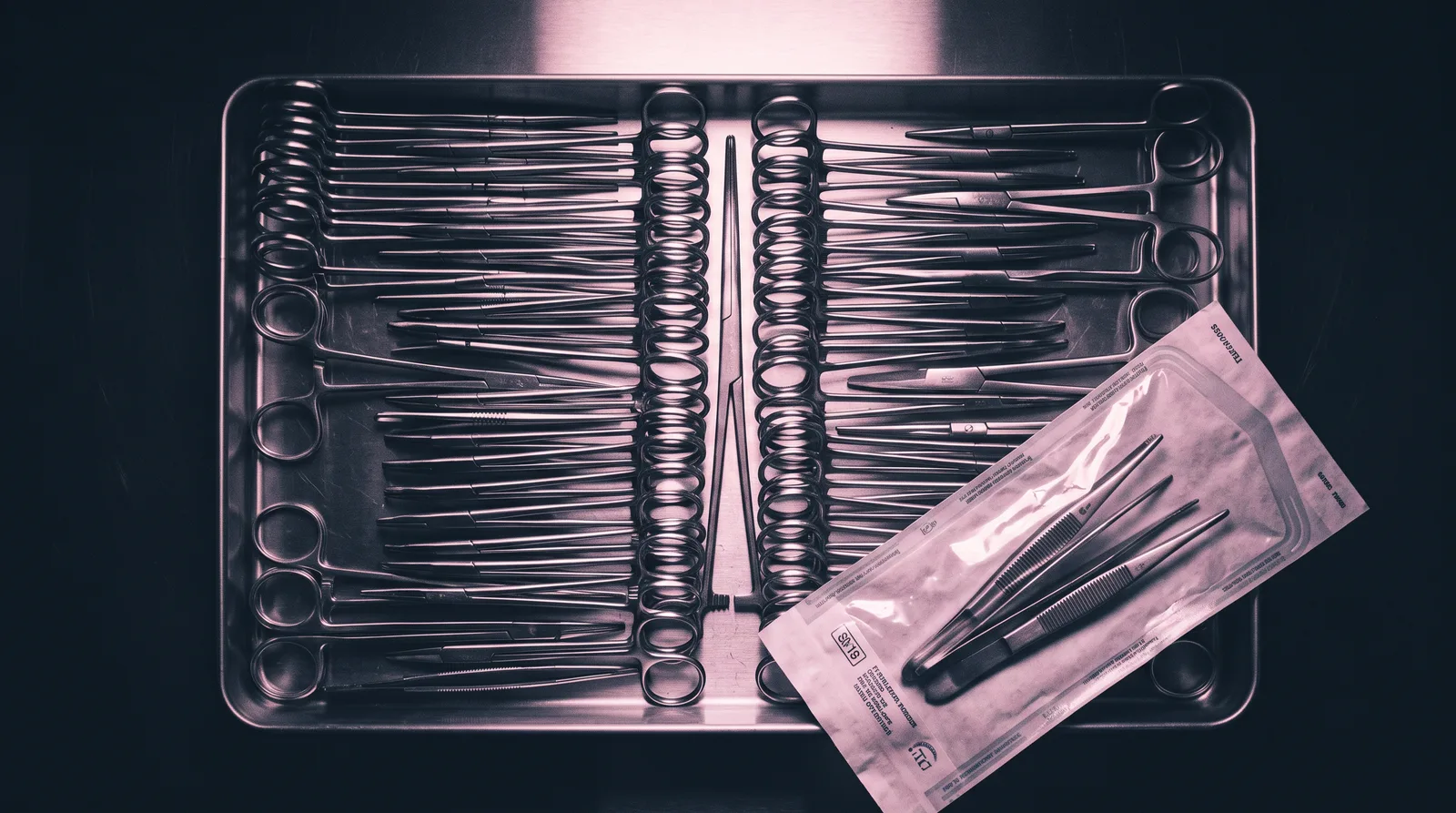
Hospitals can't function without sterile processing technicians. Every surgical instrument that touches a patient has to be decontaminated, inspected, assembled, sterilized, and stored correctly — and that work happens in the Sterile Processing Department (SPD). It's detail-oriented, it's grounded in science, and it's genuinely essential to patient safety.
It's also a field you can enter without a four-year degree. That combination — meaningful work, relatively fast entry, and a clear certification path — is why so many people are making the switch into SPD right now. Here's how to do it the right way.
Step 1: Understand the Two Core Certifications
Before you plan anything else, know your destination. There are two nationally recognized entry-level certifications for sterile processing technicians:
- CRCST (Certified Registered Central Service Technician) — offered by HSPA (the Healthcare Sterile Processing Association)
- CSPDT (Certified Sterile Processing and Distribution Technician) — offered by CBSPD (the Certification Board for Sterile Processing and Distribution)
Both are widely accepted by hospitals and health systems across the US. Some employers prefer one over the other, so it's worth checking job postings in your target area. Either credential signals that you've met a recognized standard of competency.
Step 2: Meet the Basic Eligibility Requirements
Neither certification requires a college degree, but both require a combination of education and hands-on experience.
For the CRCST, HSPA requires:
- Completion of an HSPA-recognized training program, plus
- 400 hours of hands-on work experience in an SPD setting
For the CSPDT, CBSPD requires:
- Completion of an approved education program, plus
- Six months of full-time (or equivalent part-time) work experience in sterile processing
The experience requirement is the part that trips most beginners up. You can study all you want, but you need actual time working in a department before you can sit for either exam. Plan for that from day one.
Step 3: Get Your Education in Place First
This is where a structured training program pays off. The four core knowledge domains you need to master are:
- Decontamination — cleaning, disinfection, and the science behind microbial reduction
- Assembly & Packaging — inspecting instruments, loading trays, selecting correct wrap or pouches
- Sterilization — steam, EtO, hydrogen peroxide plasma, and parametric release
- Sterile Storage & Distribution — maintaining sterility, shelf life, event-related vs. time-related standards
A good program walks you through all four domains systematically, tests your comprehension along the way, and prepares you for the format and difficulty of the national exam — not just the vocabulary.
Step 4: Get Your Hands on Real Instruments
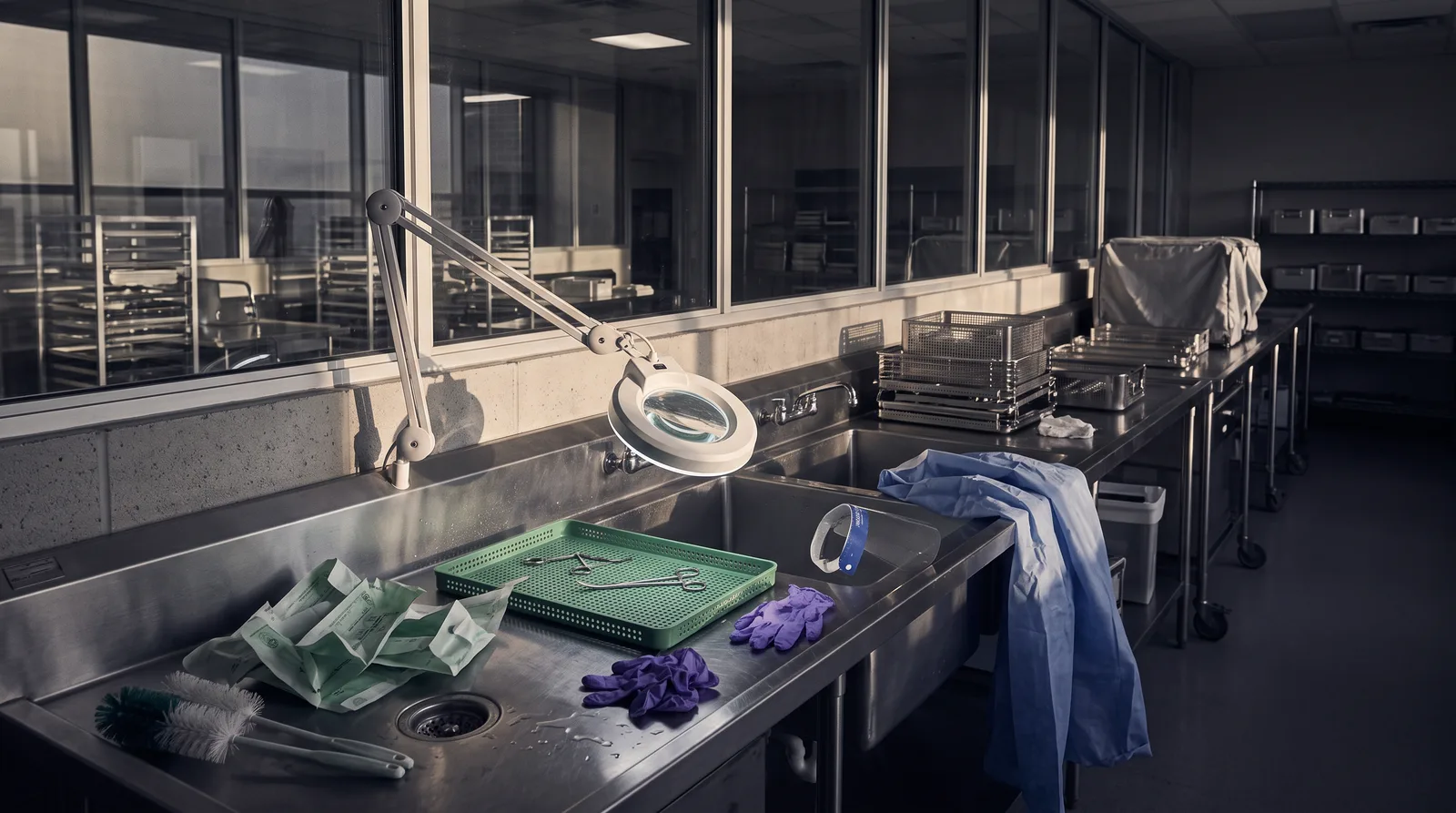
No amount of reading replaces hands-on time. While you're completing your education, pursue every opportunity to handle actual instruments and equipment:
- Apply for entry-level SPD positions — many hospitals will hire technician trainees and train on the job while you work toward certification
- Ask about externships or shadowing — some hospital systems allow students to observe or assist in SPD
- Look for tech or aide roles in central service or surgical services that count toward your hours
Document your hours carefully. You'll need to report them when you apply to sit for the exam.
Step 5: Apply for Your Exam and Prepare Strategically
Once you've completed your training program and are approaching your hours requirement, it's time to apply directly through HSPA (for the CRCST) or CBSPD (for the CSPDT). Both organizations publish detailed candidate handbooks — read them completely. They tell you exactly what topics are tested and in what proportions.
For exam prep, focus on:
- Knowing your standards by name — AAMI, AORN, the Joint Commission, and CDC guidelines all appear on these exams
- Understanding the why behind procedures, not just the steps — exam questions are written to test reasoning, not memorization
- Taking full-length timed practice exams so the real thing doesn't catch you off guard
Step 6: Pass, Then Keep Going
Passing your first certification is a milestone, but it's also a starting point. The SPD field has a full credentialing ladder:
- Surgical Instrumentation — CSIS (CBSPD) or CIS (HSPA)
- Endoscopy Reprocessing — CFER (CBSPD) or CER (HSPA)
- Management — CSPM (CBSPD) or CHL (HSPA)
Each specialty certification opens new roles, higher pay bands, and more influence in your department.
You Don't Have to Figure This Out Alone
The path I've laid out above is real and achievable — people enter this field from all kinds of backgrounds and build genuine careers in it. What makes the difference is having a structured, exam-aligned education to build on.
That's exactly what I built Sterile Processing Academy to provide: a comprehensive, self-paced program that covers all four core domains with quizzes, tests, and a proctored final exam. When you finish, you'll receive a Certificate of Completion that's accepted toward both your CSPDT (CBSPD) and CRCST (HSPA) certification applications.
If you're serious about entering this field the right way, that's the place to start.
Want to go deeper than a blog post?
Sterile Processing Academy
A comprehensive certification-prep program training new sterile processing technicians in all four core domains — Decontamination, Assembly, Sterilization, and Sterile Storage — with quizzes, tests, and a proctored final exam. Earn a Certificate of Completion accepted toward your CSPDT (CBSPD) or CRCST (HSPA) certification application.
Start learning — $49.99/mo